
The Isle of Wight is home to a remarkable collection of landscapes, historic houses, and coastal landmarks cared for by The National Trust. These sites showcase the island’s natural beauty, heritage, and biodiversity—from sweeping coastal headlands and ancient downland to elegant gardens and historic estates.
Whether you’re interested in scenic walks, heritage sites, or peaceful gardens, here are all the key National Trust sites on the Isle of Wight worth exploring during your stay.
────────
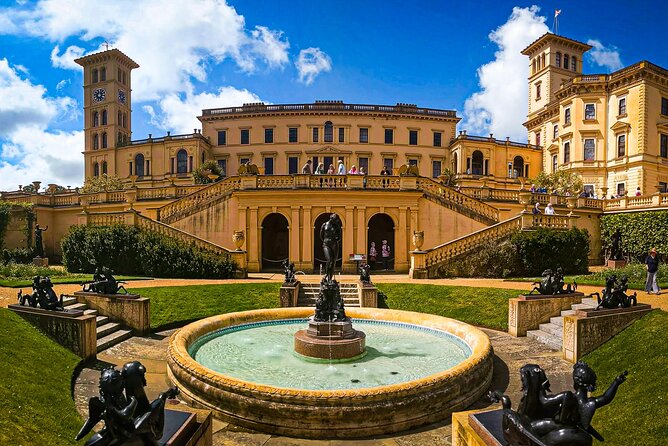
Osborne House – Queen Victoria’s Island Retreat
Osborne House is one of the Isle of Wight’s most famous historic attractions. Once the seaside home of Queen Victoria and Prince Albert, it offers a fascinating glimpse into royal life during the Victorian era.
Visitors can explore the opulent interiors, landscaped gardens, and private beach area, all set within beautifully maintained grounds.
Highlights:
Grand royal rooms and period furnishings
Extensive gardens and terraces
Private beach access
Insight into Victorian history
────────

Mottistone Gardens – A Beautiful Historic Garden
Mottistone Gardens is a charming and colourful National Trust garden located near the island’s southwest coast. Known for its seasonal planting, Mediterranean influences, and relaxed atmosphere, it’s a favourite for garden enthusiasts.
The gardens are set around a historic manor house and feature a mix of formal and informal planting styles.
Why visit:
Vibrant seasonal flower displays
Peaceful, landscaped setting
Historic manor backdrop
Ideal for relaxed strolls
────────
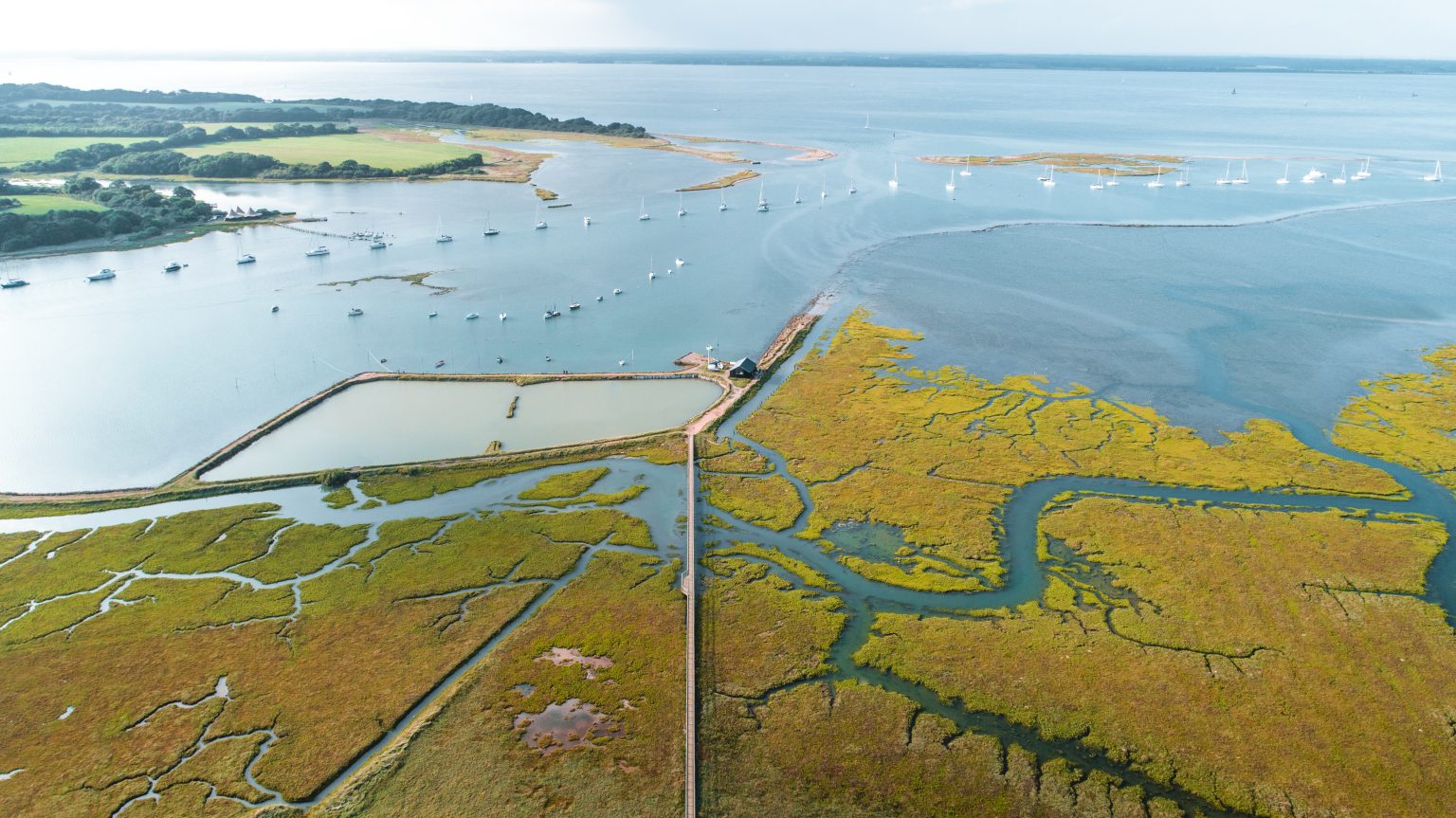
Newtown National Nature Reserve – Wildlife and Coastal Heritage
Newtown is the Isle of Wight’s only National Nature Reserve managed by the National Trust. It’s a haven for wildlife, with salt marshes, creeks, and ancient woodland creating a rich and diverse ecosystem.
It’s also historically significant as the site of a “lost town” that declined centuries ago.
Highlights:
Excellent birdwatching opportunities
Peaceful walking trails
Rich coastal and estuarine habitats
Historic remains of Newtown town
────────
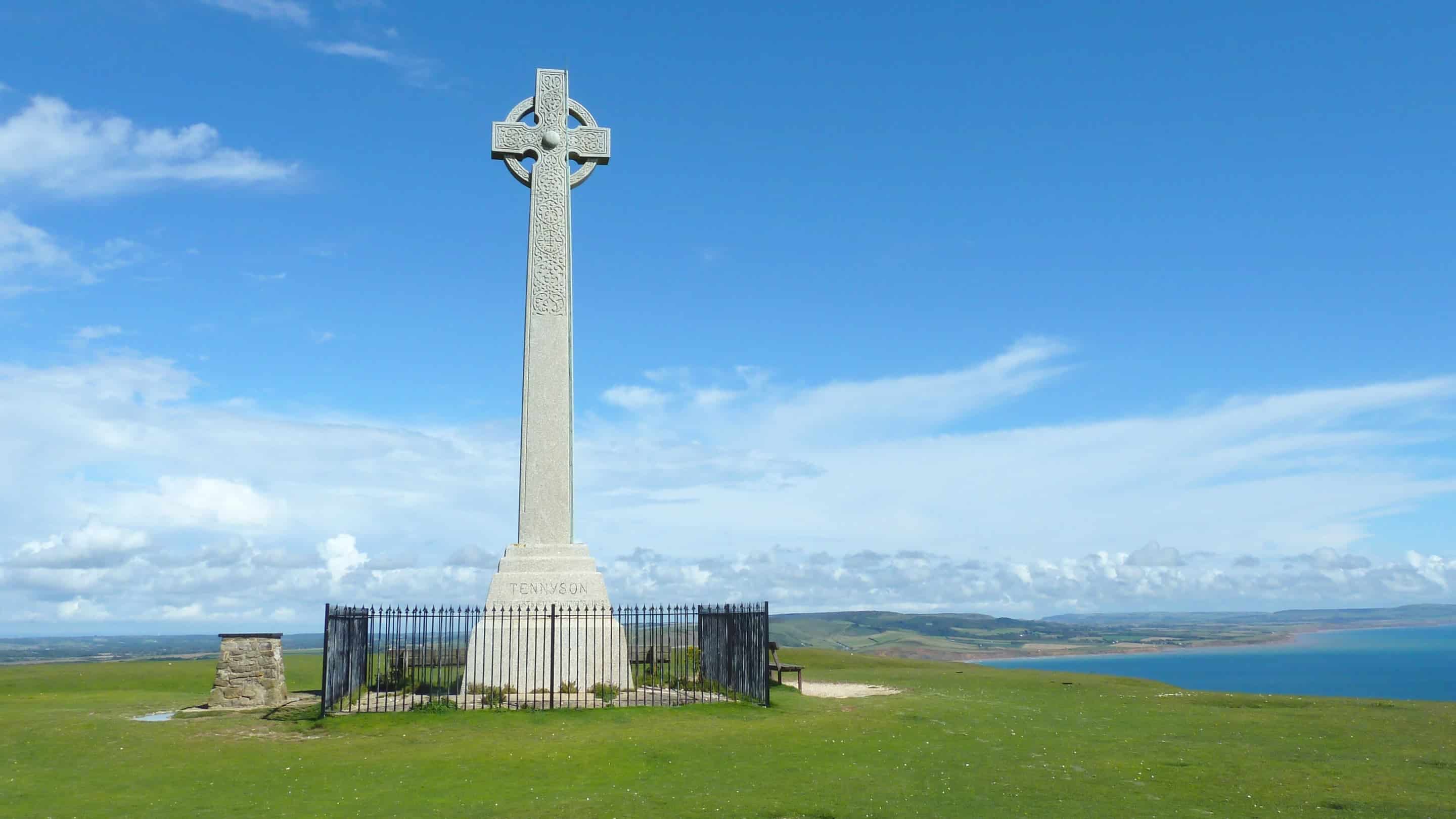
The Needles Headland & Tennyson Down – Iconic Coastal Landscapes
These dramatic chalk landscapes on the western tip of the island are among the most visited National Trust areas.
The Needles Headland offers breathtaking views of the famous chalk stacks, while Tennyson Down provides elevated walking routes with panoramic vistas across the coast.
Why they’re special:
Iconic Isle of Wight scenery
Excellent walking and hiking routes
Stunning viewpoints over the English Channel
Part of a protected coastal landscape
────────

St Catherine’s Oratory – Medieval Lighthouse Tower
Often referred to as the “Pepperpot,” St Catherine’s Oratory is one of the oldest lighthouse structures in Britain. Built in the 14th century, it stands as a fascinating relic of maritime history.
Located on high ground near the southern coast, it’s a rewarding stop for walkers exploring the surrounding downland.
Highlights:
Unique medieval structure
Scenic elevated location
Historical significance as a lighthouse
Accessible via walking routes
────────
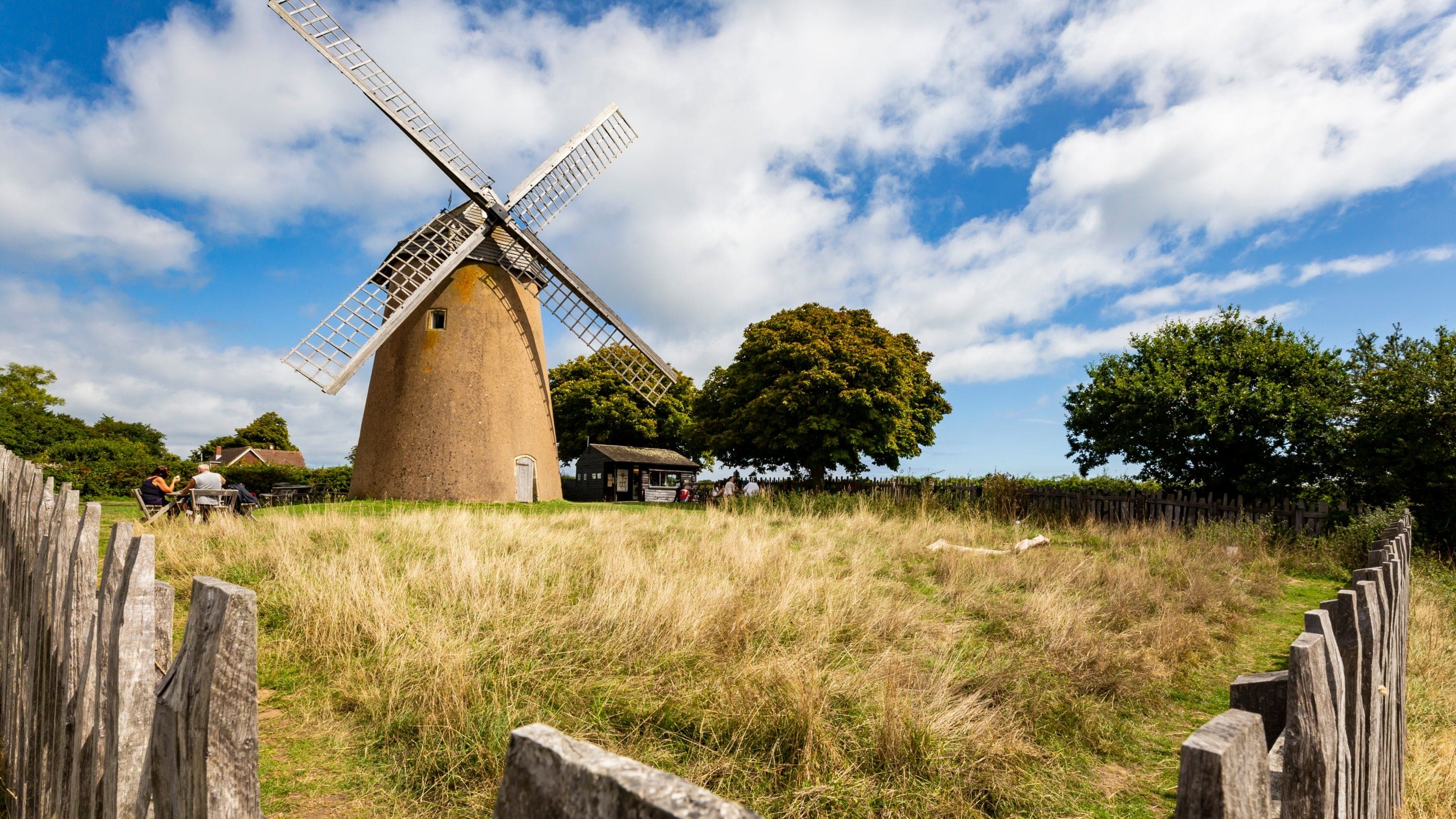
Bembridge Windmill – The Island’s Only Surviving Windmill
Bembridge Windmill is a well-preserved 18th-century structure and the only surviving windmill on the Isle of Wight. It offers insight into traditional milling techniques and rural island life.
Visitors can explore the interior and learn about its operation and history.
Why visit:
Historic working windmill
Educational exhibits
Unique glimpse into rural heritage
Set in a peaceful countryside location
────────
From the royal elegance of Osborne House to the natural beauty of Newtown National Nature Reserve and the dramatic scenery of The Needles Headland, the Isle of Wight’s National Trust sites offer something for every type of visitor.
Whether you’re exploring historic landmarks, walking along coastal trails, or simply enjoying the island’s landscapes, these protected places provide a deeper appreciation of the Isle of Wight’s heritage and natural environment.